
Allegro
MUSICIANS UNITED: Player conferences take on the big issues
Financial Vice President's report
Volume 126, No. 8September, 2026
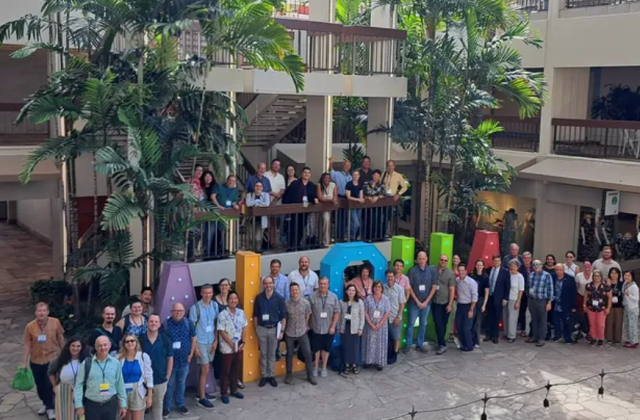
Union leaders at the ICSOM conference discussed cutting-edge issues affecting symphonic and opera musicians
In 2008, the Columbus Symphony shut down over a proposed “restructuring” that included drastic pay cuts, a reduction in forces, and major cancellations of entire concert seasons. As if this wasn’t enough of a shock to the orchestra community, it was followed by a domino effect of strikes by other orchestras: Detroit (one of the most famous orchestra strikes in U.S. history), Atlanta, Minnesota, Pittsburgh and Chicago. Added to that were six other orchestras facing devastating negotiations resulting in pay, benefit and workforce reductions, including one of the “top five”: the Philadelphia Orchestra.
Reading the news lately, I feel like we are going back to those fraught, insecure days for symphony orchestra musicians. Due to the unnecessary and pointless shutdown of the Kennedy Center, the National Symphony Orchestra has suffered huge losses in donations and ticket sales, plunging the orchestra “into a two-year free fall that has pushed the internationally acclaimed orchestra into the deepest financial crisis in its recent history”.
Some of what plagues our orchestras is coming from within. Disturbing accounts of sexual harassment and misconduct occurring in the smallest regional orchestras to the most esteemed in the world are sadly nothing new. The change is that there is now a bright spotlight shining directly on this wretchedness. And although women have made great inroads in inclusiveness in our orchestras, we are feeling the backlash against speaking out more than ever (see Vancouver Symphony/confidentiality agreements).
And now the latest from the current administration in DC is that brass instruments are a national security threat? Have we gone mad?
The good news in all this is that we don’t have to wring our hands alone.
I’ve spent a good deal of the summer commiserating with musicians and representatives from across the country at TMA, ROPA and ICSOM. The AFM player conferences are gatherings where our voices are heard, where tough subjects are discussed openly, and where we come together to find solutions to common problems.
Here’s just a sample of what we talked about at these conferences:
- The perils and pitfalls of playing non-union touring shows
- Use of electronic media in our workplaces
- Updates on how the broader legal landscape affects us as artists and union members
- Collective bargaining strategies
- How to read and interpret an orchestra’s financial statements (*this is an incredibly valuable skill we all need to master before heading into negotiations)
- Networking and PR strategies for symphony orchestras
- Understanding the SSD wage scales and conditions database
- Reports of ongoing labor conflicts as well as organizing triumphs throughout the US.
At ICSOM, hosted by the Hawai’i Symphony and Local 677, we heard a fascinating account of the destruction and subsequent rebuilding of the Hawai’i Symphony. We were also treated to an educational discussion about unconventional approaches to bargaining that may come in handy with a few upcoming negotiations. (You can find more reports from the conference here. Please take a moment to read chairperson Keith Carrick’s brilliant opening address.)
If any of these topics – or even one of these topics – are of interest to you, let’s talk. The last New York ROPA orchestra was the Long Island Philharmonic, which dissolved in 2016. With more than 20 freelance orchestras working under CBA’s, Local 802 absolutely should not only have rank and file representation at ROPA but be front and center. For that reason, on August 11, I asked the Local 802 Executive Board for a motion (which passed unanimously) to promise that Local 802 will pay the first year’s membership dues for any freelance orchestra wishing to join ROPA. (I’m looking at you, NY Pops, and ABT, but we’re not limited to those two.) In the meantime, please see the ROPA website for more information on this wonderful and welcoming organization.
We can be grateful that history isn’t exactly repeating itself; nevertheless, times for orchestral musicians remain tense and, frankly, very weird. Our NYC freelance orchestras are doing well, and for that I am grateful. Now that we are returning from summer festivals, we are also back to the bargaining table. Orpheus, Westchester Philharmonic and the Bronx Arts Ensemble are on deck. The ABT contract, on which we base the ballet/opera scales, is up in early 2027.
I’m looking forward to seeing you all in the new season. You can always reach me at kfisher@local802afm.org.